Choosing where to dive is only half the decision — but knowing when to go is often just as important. Seasonal changes in weather, ocean conditions and marine life behaviour mean that the best scuba diving experiences often depend on precise timing.
ZuBlu’s latest Dive Annual is a month-by-month guide to when and where to scuba dive in 2026, showcasing destinations around the world when conditions, marine life and dive experiences are at their very best.
Dive in and discover the world's best dive destinations, and when to dive them.
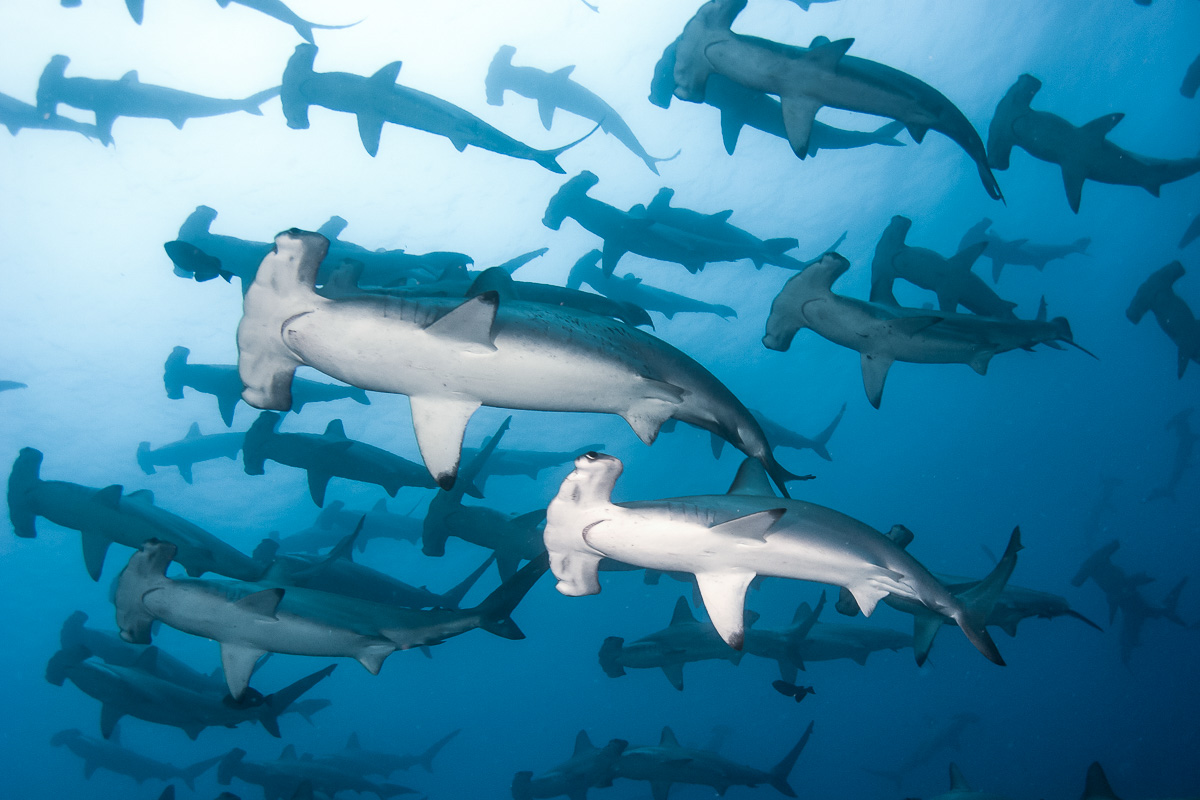
January kicks off the year with some big fish action, as the wet and warm season gets underway in the Galapagos Islands. Hammerhead schools at Wolf and Darwin Islands are generally larger at this time of year, and manta rays are seen in greater numbers – particularly at Isabela in the central islands.
Over in the Maldives, South Ari Atoll is well known for year-round diving, but divers travelling in January benefit from some of the best weather and dive conditions, while avoiding the busy holiday period and its higher accommodation prices. The same can be said for Malapascua Island in the Philippines, which enjoys excellent weather but is a lot quieter after the festive rush — increasing your chances of spotting the island’s famous thresher sharks.
If an encounter with a whale tops your New Year resolutions list, then both the Turks and Caicos Islands in the Caribbean, and the Hallaniyat Islands in southern Oman, see plenty of humpback whales sightings in January.
Still in the Caribbean, the year-round dive destination of Roatan in Honduras enjoys great weather and conditions in February, and the island’s walls, reefs and wrecks can all be dived at their best. Roatan is known for its fair share of interesting macro creatures, but how about traveling to the birth place of muck diving? Liveaboards take advantage of ideal conditions and incredible critter diversity in February to explore the legendary Milne Bay in Papua New Guinea.
February is also a special month for cetaceans, as the whales migrating through the Turks and Caicos in January reach their destination - the Dominican Republic’s Silver Bank, off the north coast. Thousands of humpback whales gather here to give birth, nurture their calves and mate - giving snorkelers on week long liveaboard trips a unique chance to swim with these spectacular animals.
Last but not least, February is the peak of the great hammerhead season in Rangiroa, French Polynesia, while over in Grand Bahamas, sunny weather and calm seas mean divers can enjoy tiger shark encounters in ideal conditions - and even spot passing great hammerheads.
In the first few months of the year, liveaboards in the Maldives take advantage of calm seas and head to the ‘Deep South’, ticking off bucket-list destinations including Fuvahmulah, Addu and Huvadhoo Atoll. Huvadhoo’s vast lagoon is home to some beautiful reef dives, while its channels deliver some of the most exciting shark diving in the Maldives. Whale sharks are also regularly sighted!
In SE Asia, Thailand’s Andaman Sea is at its best. Calm seas and consistent currents make February a good choice for diving the Similan Islands, plus Hin Daeng, Hin Muang and Richelieu Rock - one of the best locations to spot the regions famous whale sharks.
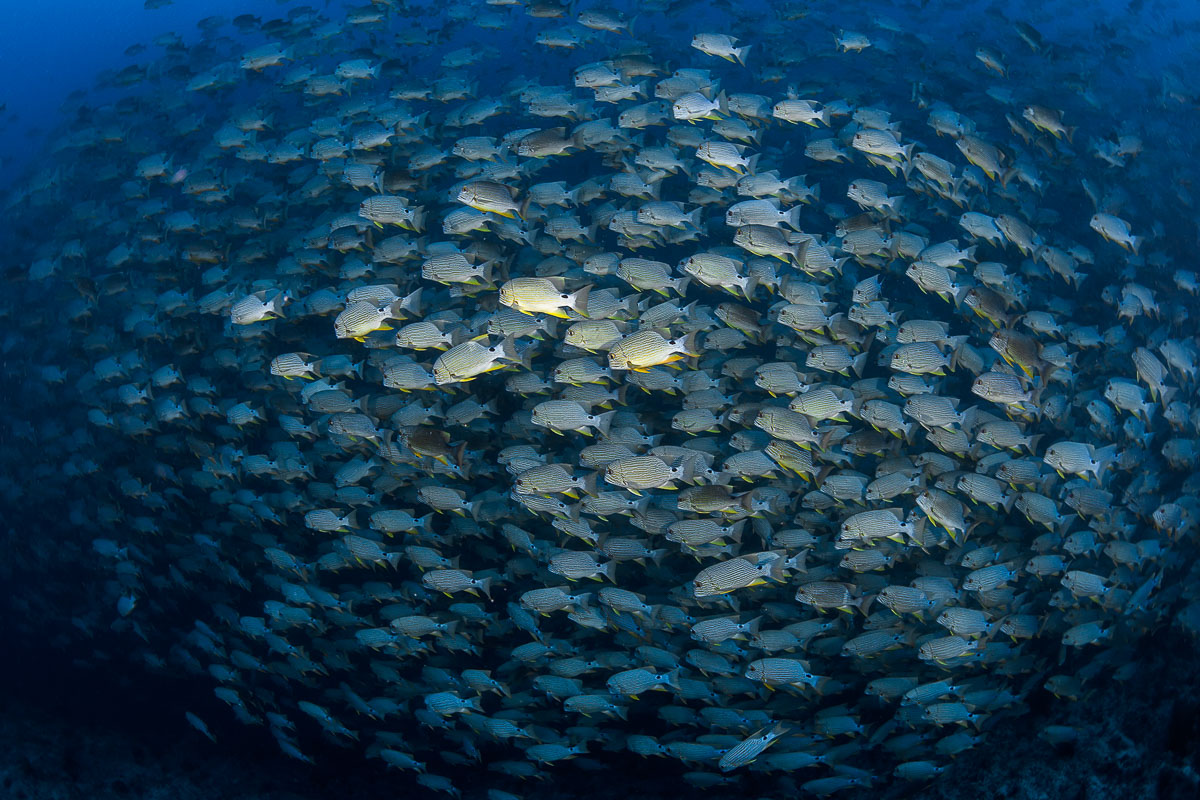
March is also one of the best months to visit Palau, when excellent conditions make exploring the many channels and reefs especially rewarding. And throughout the months of March and April, divers can witness thousands of sailfin snapper gathering to mate.
In the Cayman Islands, calm weather means fantastic diving conditions without the peak season crowds. While in Indonesia, March and April are among the best times of year to explore Halmahera, and dive the area's stunning reefs and islands, again, without the crowds.
Looking for a that perfect, all-round dive destination? The phenomenal Tubbataha Reefs in the Philippines might be your best bet. The liveaboard season runs from mid-March to mid-June, with April offering clear skies, calm seas, and visibility of 30m or more. Prefer to stay on land? Bonaire’s legendary shore diving is also exceptional around this time of year.
Divers traveling to Belize’s renowned destinations - including Glover’s Reef, Turneffe Atoll and Lighthouse Reef - will find conditions at their best in April. While whale shark sightings have become less common, the reefs and abundant marine life more than make up for it.
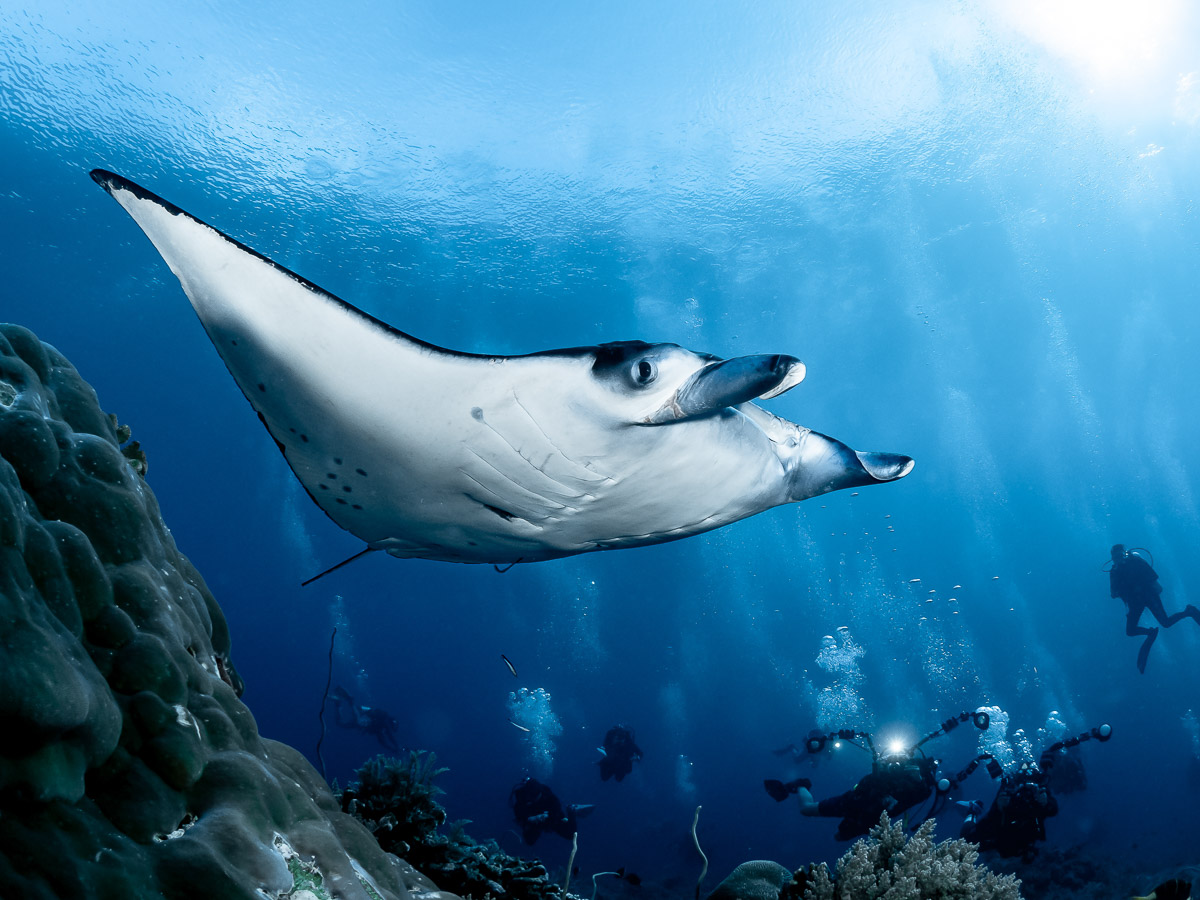
Back in the Maldives, oceanic manta rays gather around Fuvahmulah Island, while the end of the wet season in the Solomon Islands brings ideal conditions for exploring its reefs and wrecks - and spotting a reef manta or two.
May marks the start of the dry season in many destinations, including Papua New Guinea’s Kimbe Bay and Viti Levu and Beqa in Fiji. Settled weather brings excellent visibility – perfect conditions for diving the vibrant, healthy reefs.
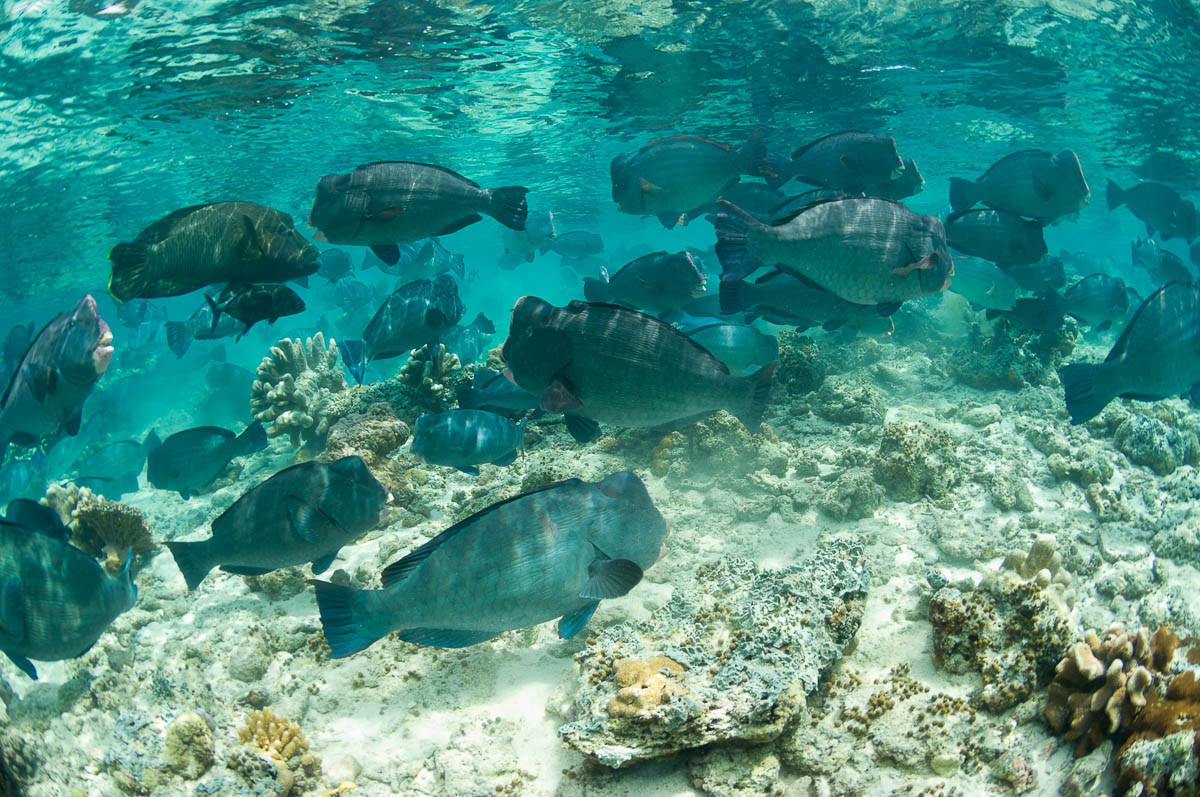
While northern Komodo is a year-round destination, May is one of the best times to visit with fantastic conditions and far fewer crowds than during the peak summer months - and dive sites are a lot quieter as a result. The same applies to both Sipadan in Malaysia, and Bunaken and Manado in Indonesia. The shoulder seasons of April to May, and again in September to October, offer ideal conditions but fewer crowds. May is also a great time to see mating sea turtles around Sipadan.
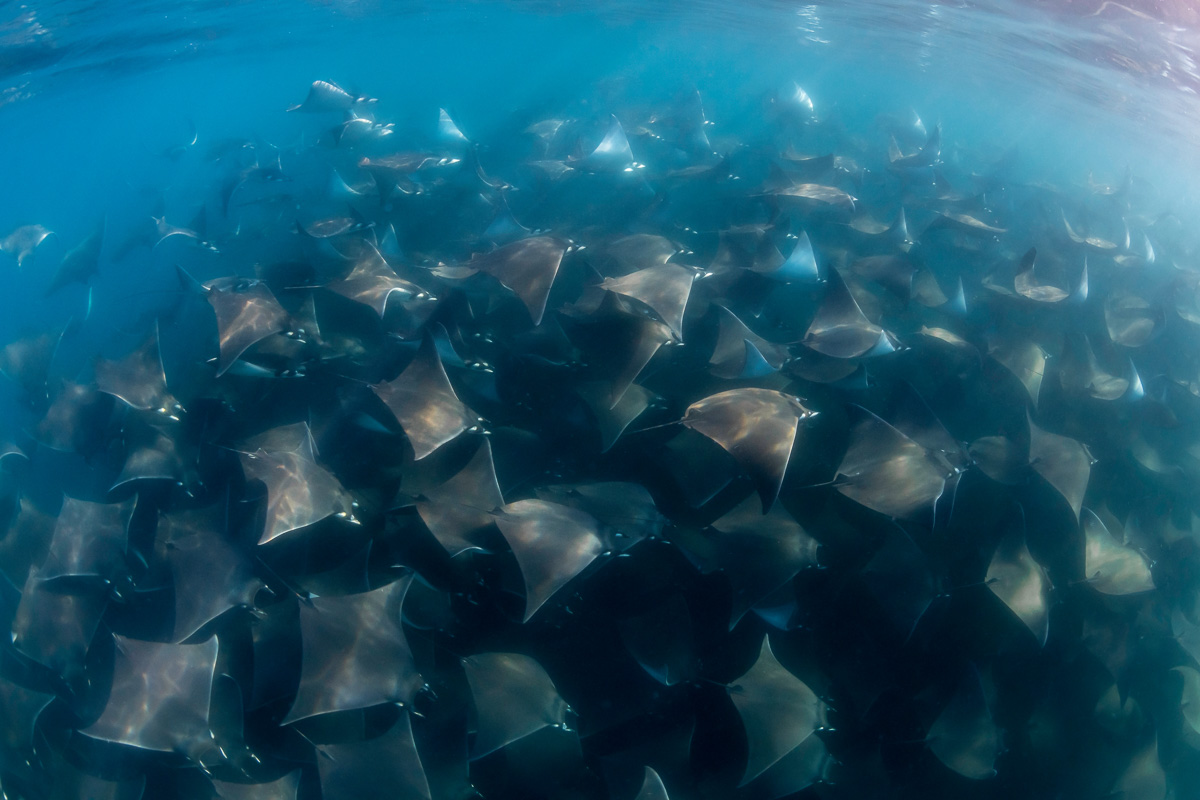
Every June on Australia’s Great Barrier Reef, dwarf minke whales congregate at Cod Hole and the surrounding Ribbon Reefs - an incredible opportunity to snorkel with these visitors. June is also the ideal time to witness another unique marine spectacle - the mobula ray migration in Mexico’s Sea of Cortez. From there, it’s just short hop to nearby Cabo Pulmo to dive with the bull sharks and friendly sea lions without the crowds.
Prefer something a little more adventurous? Two destinations in the Pacific are at their best in June - the wreck diving mecca of Bikini Atoll, and the shark capital of Polynesia, Fakarava. Divers can expect ideal conditions for deep exploration of Bikini’s sunken fleet, whilst at Fakarava, grouper spawning events attract vast numbers of reef sharks.
From July to October, during the Maldives’ low season, monsoon winds and currents concentrate plankton-rich waters at Hanifaru Bay in Baa Atoll, attracting hundreds of manta rays - and the occasional whale shark - that all arrive to feed. July is also peak season at Ningaloo Reef, where whale sharks are still present and migrating humpback whales begin to arrive.
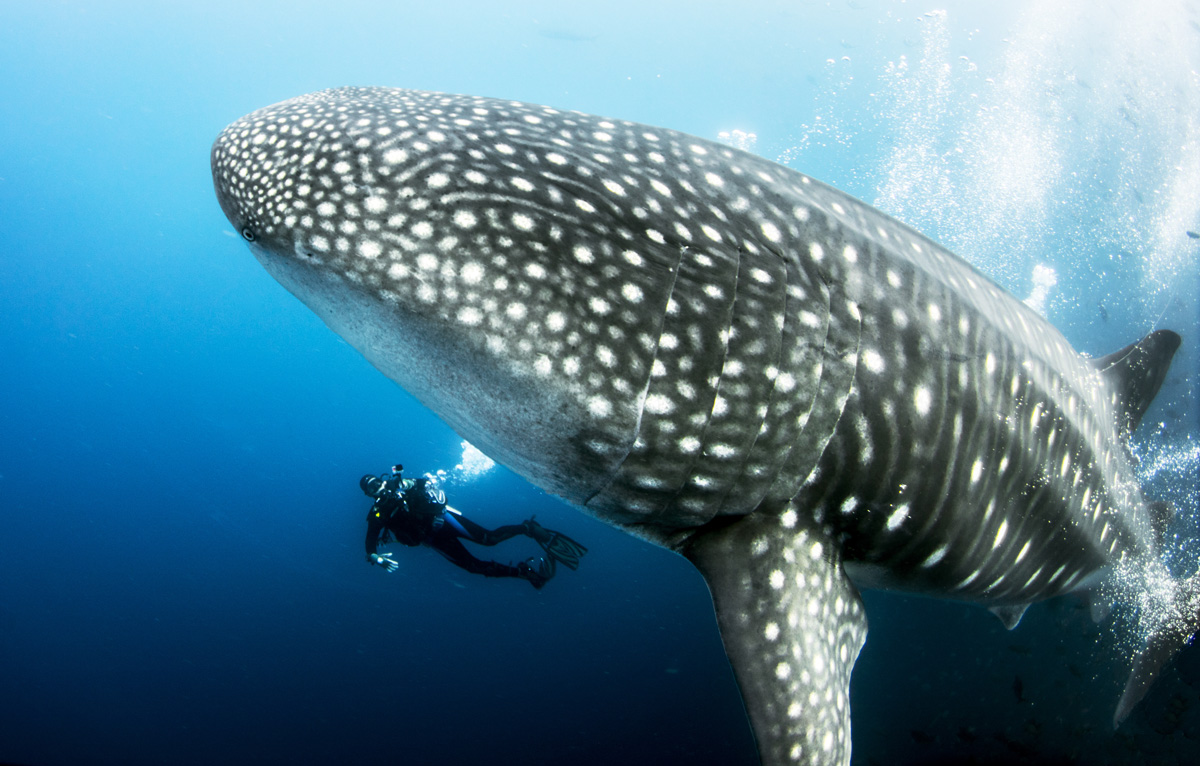
Whale sharks are also seen in the Galapagos Islands with the start of the season that runs until November. The enormous sharks arrive to feed in the plankton-rich waters around Wolf and Darwin Islands, and interestingly, the majority of individuals encountered here are large females, many of which are pregnant.
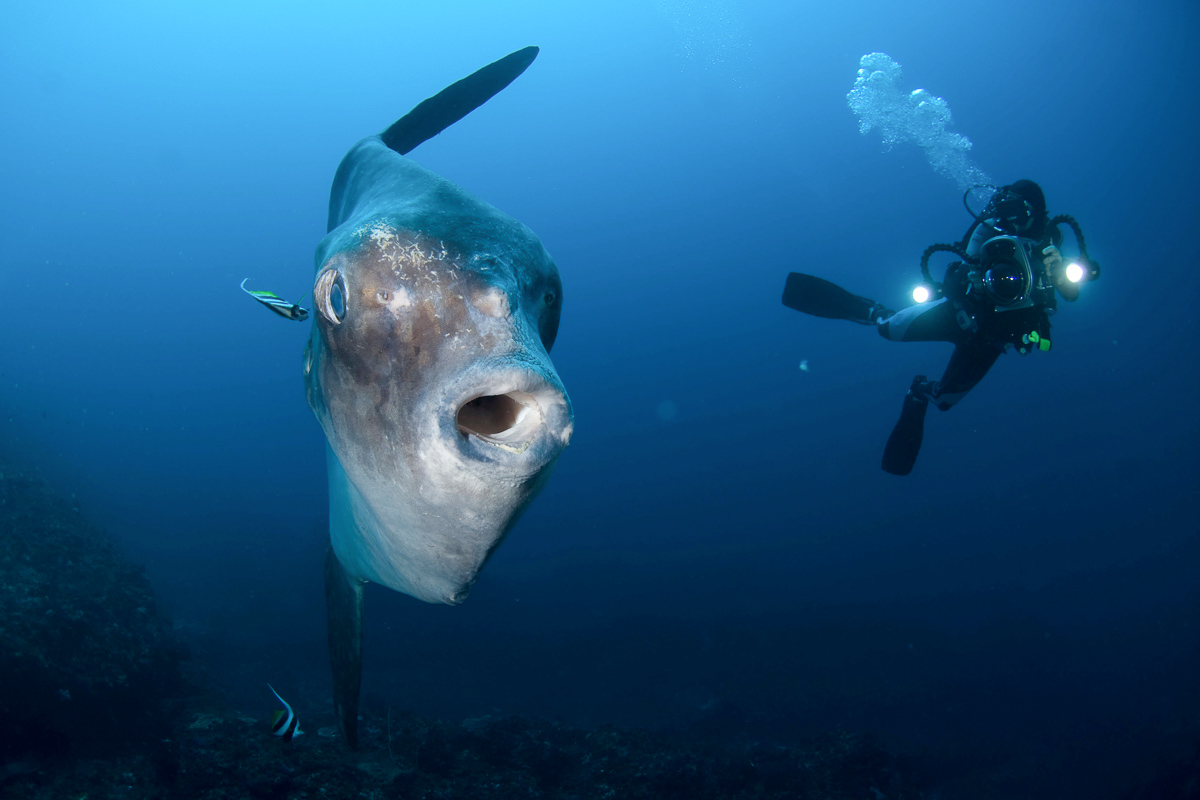
Similarly, changing currents create cold-water upwellings around Bali in Indonesia. July offers a high chance of encountering both manta rays and mola mola at sites around Nusa Penida, and even along Bali’s northeast coast at Tulamben.
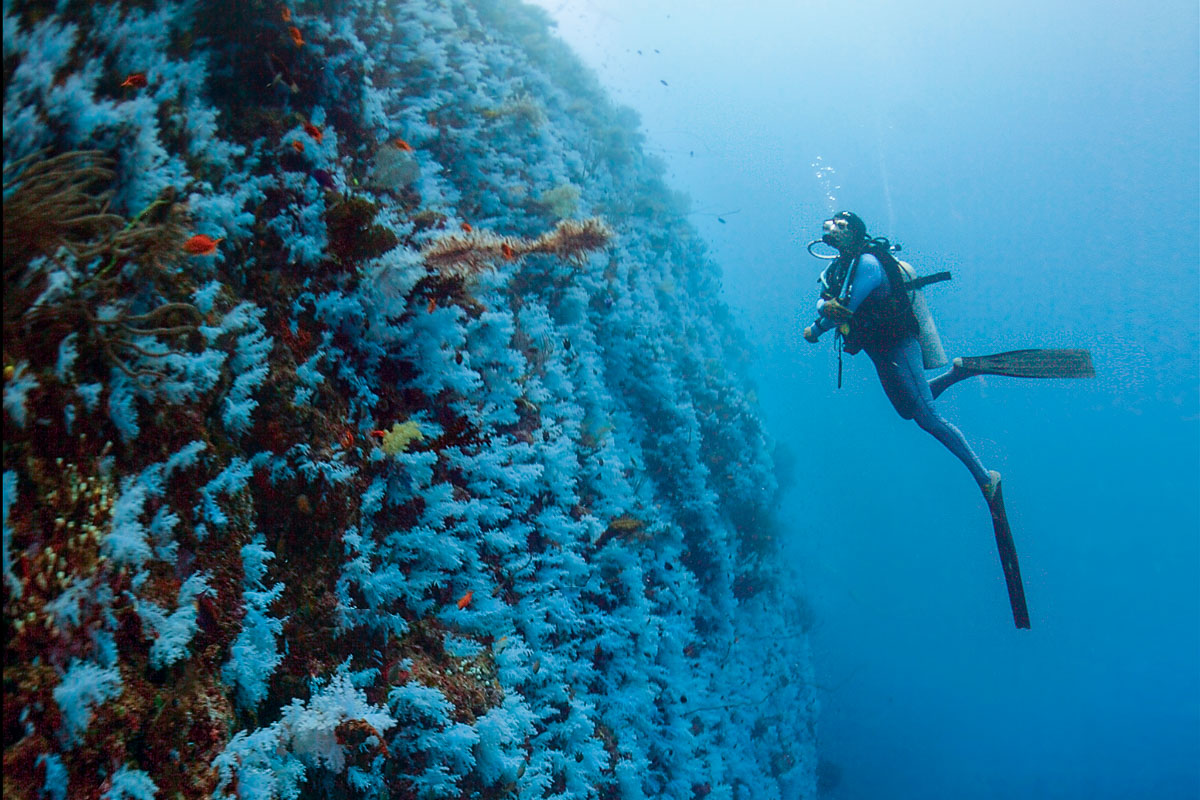
August marks the middle of the dry season at Fiji’s Somosomo Strait, creating the ideal conditions to witness the spectacular Great White Wall at Taveuni. Nearby, the Yasawa Islands also enjoy cooler water and excellent visibility – perfect for interacting with the many manta rays that gather around the islands’ reefs.
Prefer something a little bigger? Between May and September, whale sharks gather in huge numbers close to Isla Mujeres, just off Cancún on Mexico’s Yucatán Peninsula, making it easy to snorkel with these ocean giants. In contrast, Indonesia’s Cenderawasih Bay offers year-round whale shark encounters, but liveaboards typically only pay a visit during July and August, during Raja Ampat’s low seasons.
September in the northern Red Sea brings superb conditions without the intense summer heat, ideal for experiencing the region’s iconic colours and marine life. In Indonesia, strong currents and cooler water in Alor between September and November increase the chances of encounters with hammerhead sharks, mola mola, and migrating whales and dolphins. And while the Lembeh Strait is exceptional year-round, September marks the end of the dry season, with cooler water temperatures and even more critters.
Looking for something more remote? Humpbacks gather at the outer reefs of Tahiti and Moorea, French Polynesia, to mate or nurse their young, Alternatively, September is an excellent time for exploratory liveaboard trips into the Coral Sea between Australia and Papua New Guinea.
October is a big month for big species! At Cocos Island off Costa Rica’s Pacific coast, cold upwellings draw large groups of hammerheads into the shallows, alongside migratory humpback whales, marble rays, and whale sharks. In Indonesia, calm seas in September and November allow liveaboards to traverse the Banda Sea in search of hammerheads and sea snakes, and explore some truly spectacular reefs. Meanwhile, conditions in the central Red Sea are ideal for spotting oceanic whitetip and thresher sharks, particularly around the offshore Brothers Islands, and Elphinstone and Daedalus reefs.
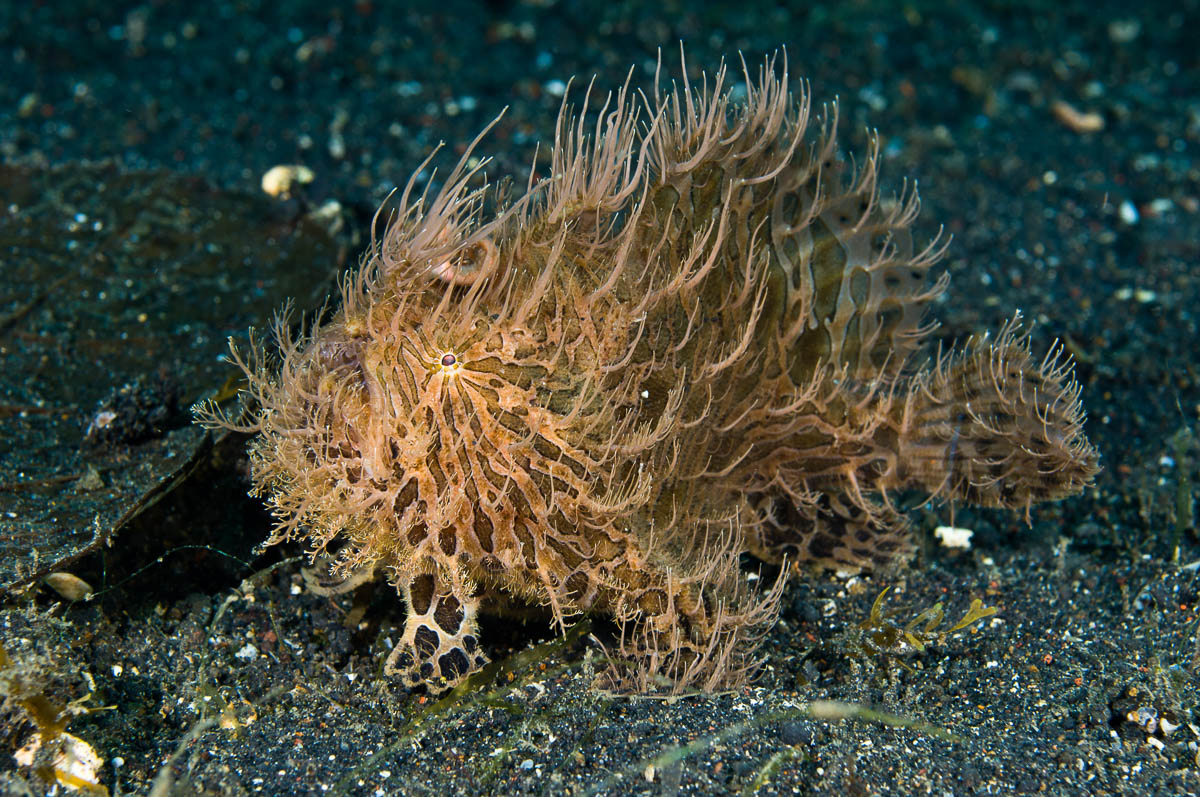
Prefer something a little smaller? Both Dauin and Anilao in the Philippines offer exceptional muck diving in October, with an abundance of cephalopods descending on Dauin’s black sand sites.
And then there is Raja Ampat in Indonesia home to some of the world’s finest reef diving. Once the winds of summer have subsided, this extraordinary destinations opens up in its entirety, allowing liveaboards to head south and explore the dramatic karst landscapes and world-class dive sites of Misool.
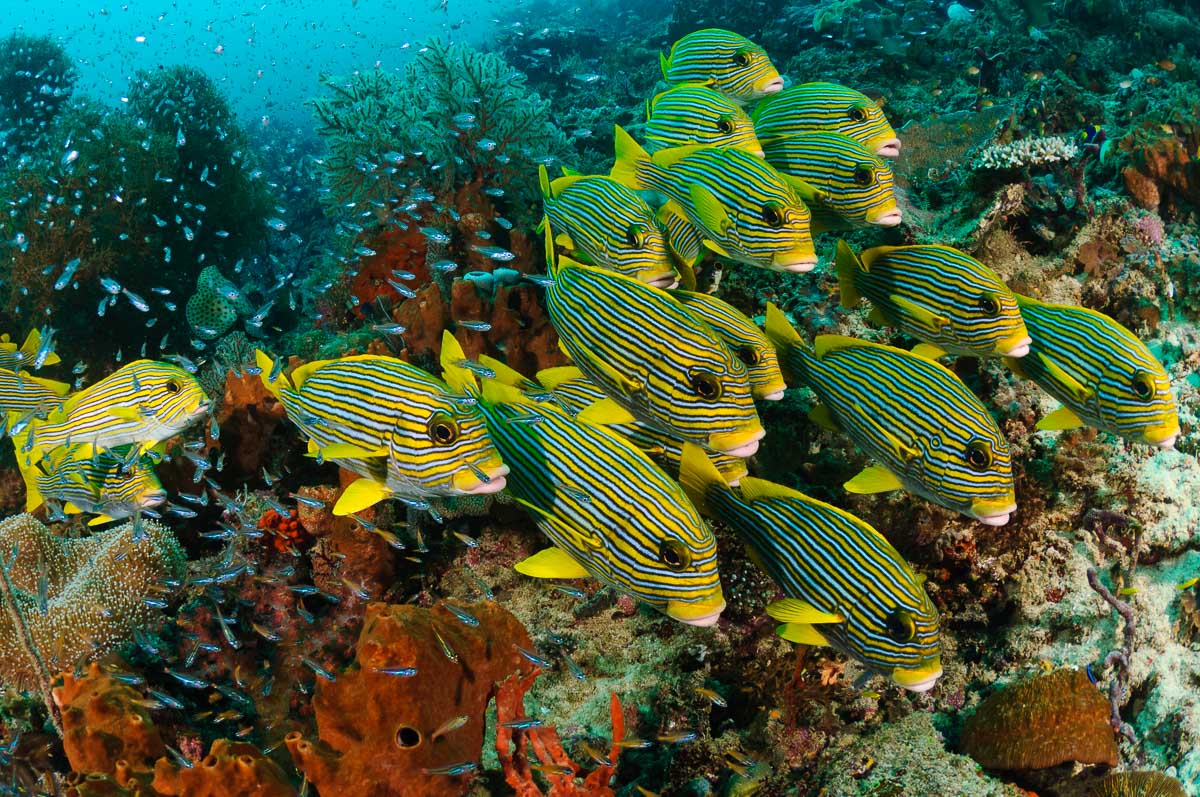
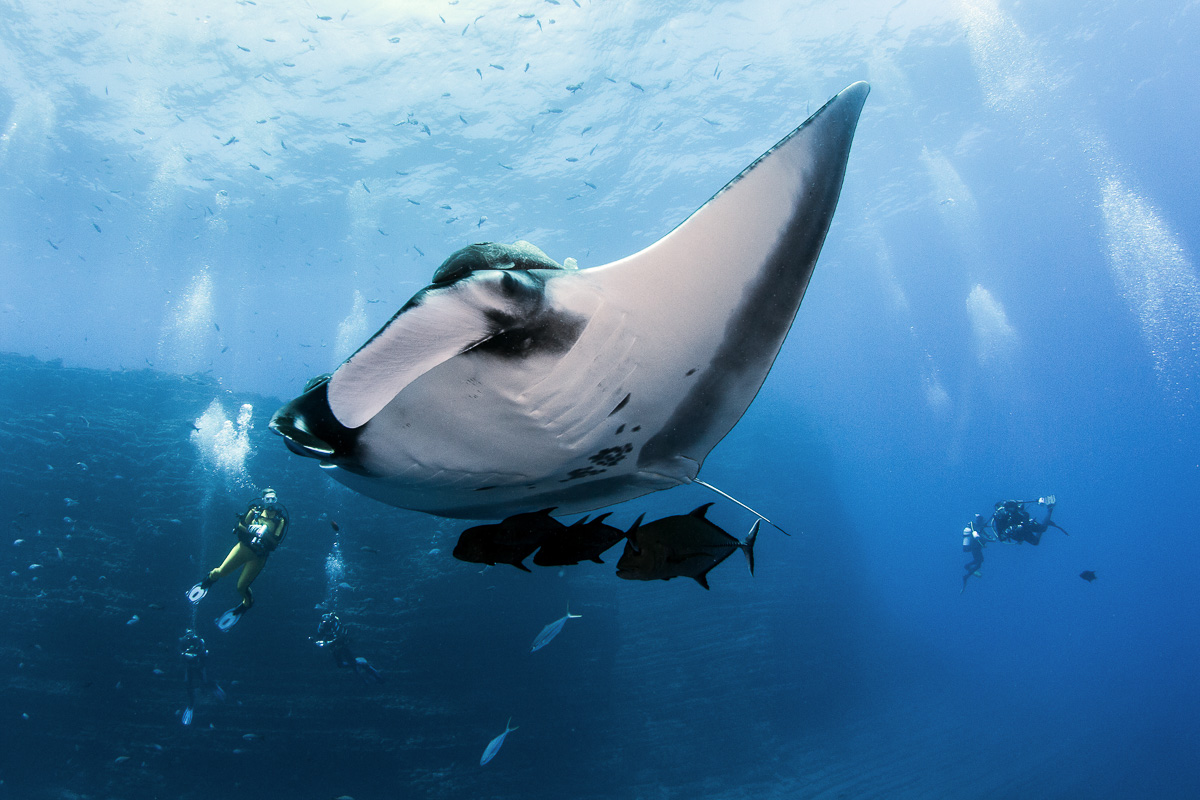
After the rough seas of summer, the season at Socorro, Mexico, begins in November as liveaboards set sail from Cabo San Lucas once again. With calm conditions and excellent visibility, divers can expect unforgettable encounters with sharks, oceanic manta rays and dolphins. Changing conditions also make South Komodo in Indonesia accessible, where cold-water upwellings attract macro life and manta rays alike.
For something a little different, the season starts at Saudi Arabia’s exceptional Farasan Banks, while divers seeking luxury and adventure will find some of the very best conditions around the Seychelles’ remote Outer Islands.
December marks the start of the dry season in the Maldives, bringing clear skies and beautiful diving conditions. As currents shift, the eastern channels of the atolls are flushed with clear oceanic water, creating exciting diving in the shark-filled passes of Vaavu Atoll.
Southeast of Raja Ampat, remote Triton Bay in Indonesia is at its best, offering divers the chance to explore unique reefs, spot endemic species, and even encounter whale sharks and dolphins. Or, if you’re passionate about wreck diving, December is also an ideal time to explore Chuuk Lagoon.
In the Caribbean’s Leeward Islands, the dry season begins in St Kitts and Nevis, Saba and St Eustatius, bringing warm temperatures and excellent conditions both above and below the water. At the same time, breeding humpback whales arrive around Anguilla, St Maarten and Saint Barthélemy.
Plan Your 2026 Dive Travel with ZuBlu
Knowing when and where to dive is the foundation of a great trip — but choosing the right liveaboard, itinerary or dive resort is what brings it all together. That’s where ZuBlu comes in.
ZuBlu specialises in dive travel, working with a carefully selected collection of dive resorts and liveaboards worldwide. Every partner is handpicked by our team of experienced divers, ensuring high standards, reliable operations and dive experiences that match what’s promised — whether you’re booking a relaxed resort stay or a remote liveaboard expedition.
Our dive travel team provides impartial, expert advice, helping you compare options, understand seasonal conditions, and choose the right trip for your experience level, interests and travel dates. From tailored itineraries and transparent pricing to access to special offers and flexible booking options, we make planning your next dive holiday simple and stress-free.
Wherever your diving takes you in 2026, booking with ZuBlu means expert guidance, trusted partners, and the confidence that every detail has been thoughtfully considered — so you can focus on what matters most: time in the water.
Ready to book your 2026 dive trip?
Chat with a dive travel expert today

ZuBlu is the leading dive travel agency to search, compare and book scuba diving travel worldwide.