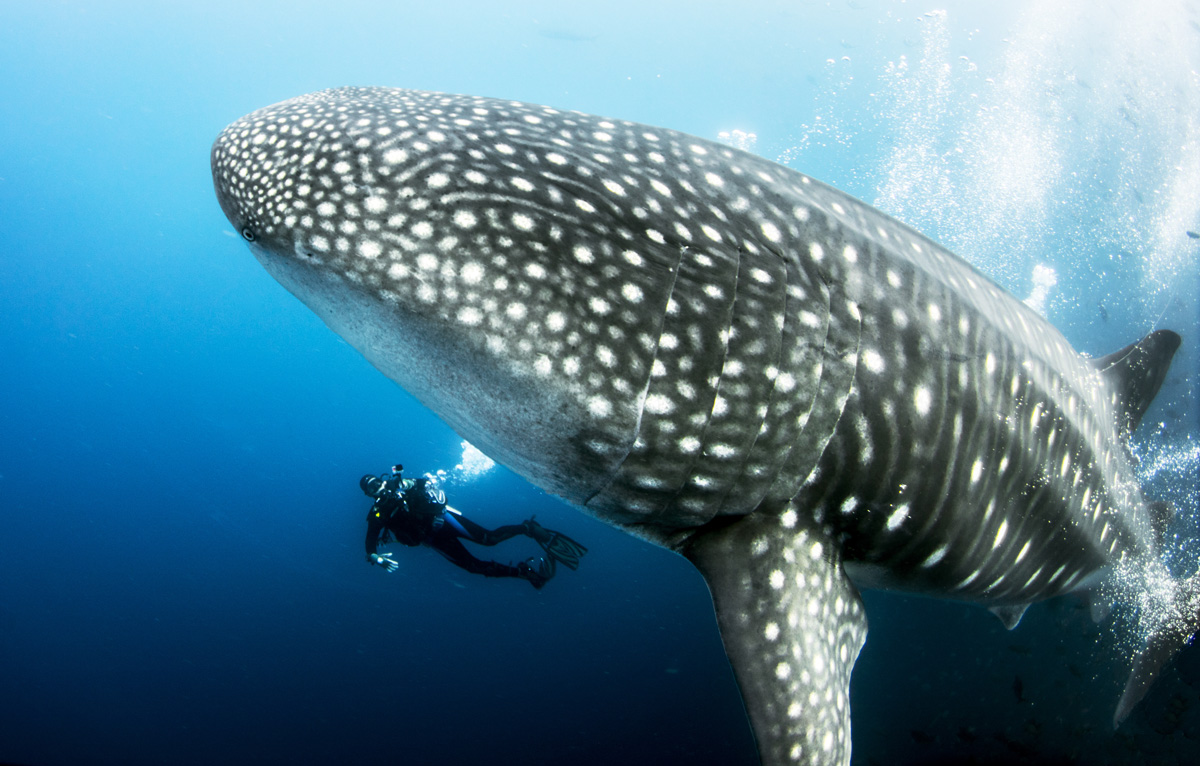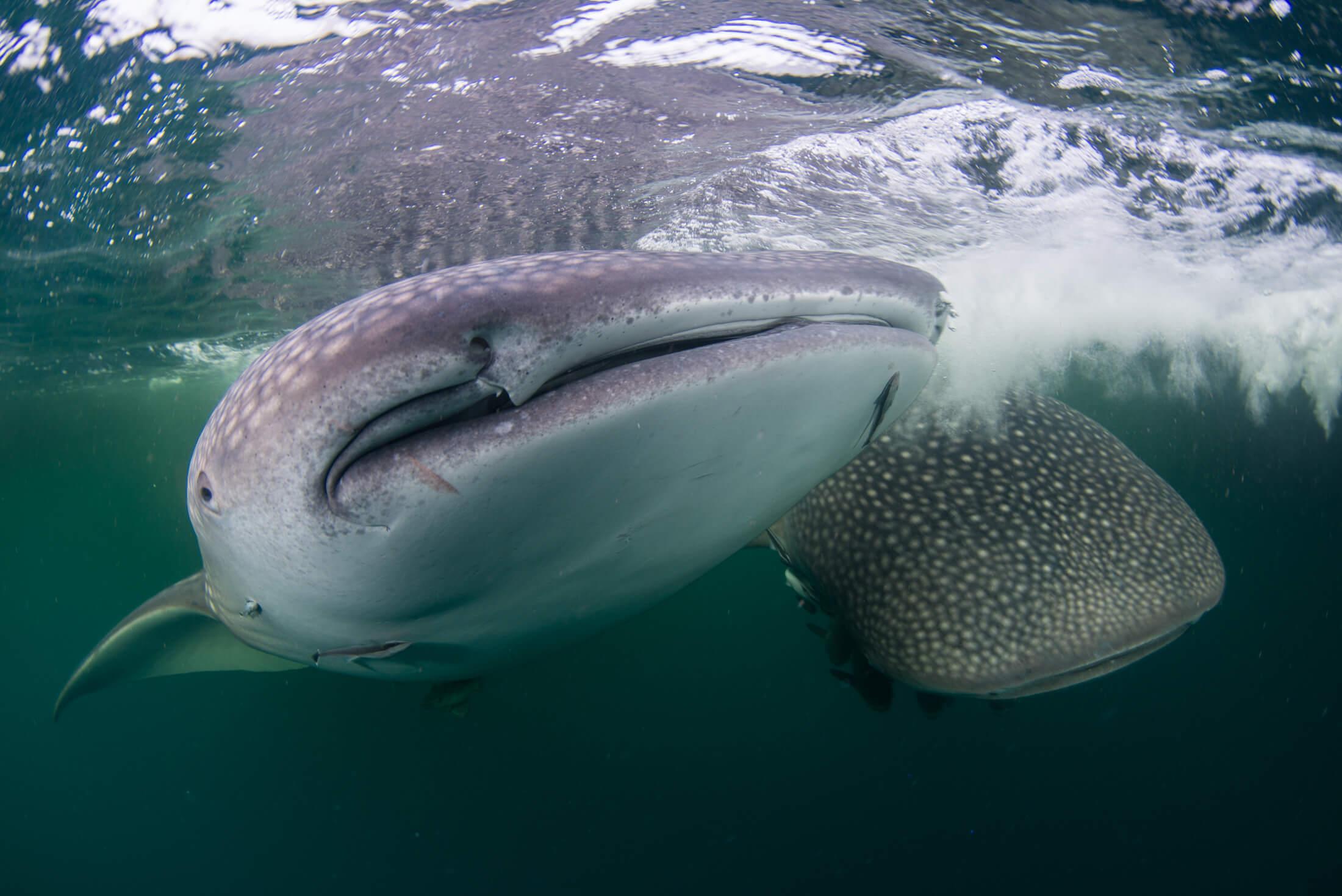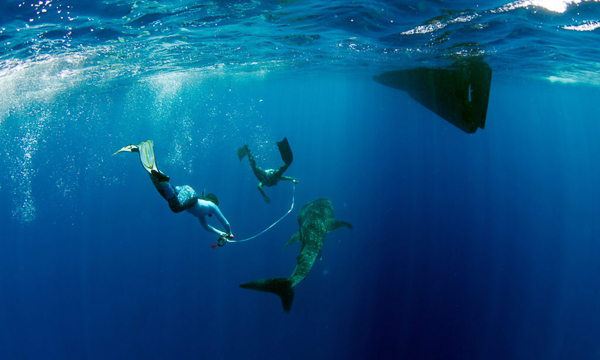
A decade-long satellite tracking study has revealed one of the clearest pictures yet of how whale sharks move through the Indo-Pacific - and why protecting them requires far more than safeguarding a handful of famous aggregation sites.
Published in Frontiers in Marine Science, the study analysed satellite tracking data from 70 whale sharks tagged between 2015 and 2025 at four major Indonesian aggregation sites: Cenderawasih Bay in West Papua, Kaimana near Triton Bay, West Papua, Saleh Bay in Sumbawa, and the Gulf of Tomini in Sulawesi. Researchers found that whale sharks move across 13 countries and territories, as well as the high seas, using a network of feeding areas, migration corridors and seasonal habitats across the central Indo-Pacific.
Indonesia’s whale shark hotspots are deeply connected
Indonesia has long been known for reliable whale shark encounters, particularly in Cenderawasih Bay, Saleh Bay, Kaimana and Gorontalo. But the new research shows these sites are not isolated hotspots — they are part of a wider connected system linking coastal feeding areas with offshore migration routes.
As lead author Mochamad Iqbal Herwata Putra explained in a Conservation International press release, “We now understand not only where whale sharks aggregate, but also when, where and why they move across the ocean. This shifts our species management perspective - from isolated sites in Indonesia to a fully interconnected pelagic system.”
The study also found that Cenderawasih Bay and Saleh Bay support whale sharks year-round, unusual for a species more commonly associated with seasonal aggregations. The researchers believe these large bay systems might act as important nursery or juvenile habitats.
Putra added: “Only a handful of large bay systems consistently support the sharks - likely serving as important nursery areas and habitat for young sharks. Protecting these high-value habitats is critical to sustaining the wider population.”
Whale sharks are crossing borders
The tracked sharks moved across 13 countries including Indonesia, Australia, Papua New Guinea, the Philippines, Palau, Micronesia and several Pacific island regions, as well as the high seas. The study highlights how whale shark conservation cannot rely solely on protecting tourism hotspots or national marine parks.
“What’s clear is whale shark conservation cannot stop at national borders,” Putra said. “We found over 40% of adult male habitat is in the high seas—areas that function as migration corridors and opportunistic feeding zones linked to seamounts, canyons, and eddies.”
Dr Edy Setyawan, lead conservation scientist at the Elasmobranch Institute Indonesia, described the importance of the findings in the same Conservation International release: “Whale sharks have ancient ocean pathways, and we are only just starting to understand them.”
The research also supports conservation planning in Saleh Bay, where a proposed marine protected area is being developed with a focus on whale shark habitat and juvenile areas.
What this means for divers
For divers, the study reinforces how remarkable whale shark encounters really are. A shark seen in an Indonesian bay may later travel thousands of kilometres across the Indo-Pacific along migration corridors and into international seas.
It also highlights the importance of responsible tourism. Whale sharks remain vulnerable to fisheries interactions, vessel strikes and poorly managed tourism, particularly outside protected areas. Supporting well-managed operators and following responsible interaction guidelines helps ensure tourism will actually contribute positively to conservation.
The research team’s message is clear: protecting whale sharks requires international cooperation and a broader approach to marine conservation - one that connects aggregation sites with migration routes and offshore habitats across the Indo-Pacific.
Read more
- Frontiers in Marine Science – Integrating behavioral movement and environmental preferences to map critical habitat of whale sharks using long-term satellite tracking in the Indo-Pacific Ocean
- Conservation International – Decade-long whale shark study highlights need to protect broader habitat across the Indo-Pacific
- Konservasi Indonesia – Study reveals whale shark migration across 12 national borders and international waters
- Mongabay – A 10-year whale shark satellite study helps create new protected area in Indonesia