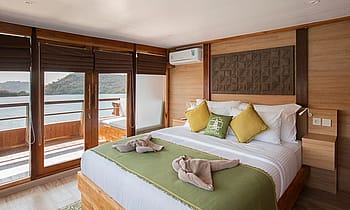
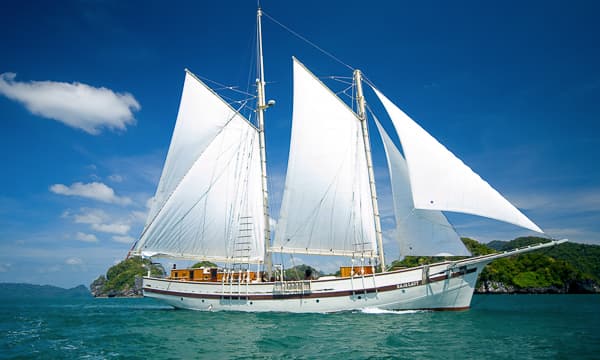
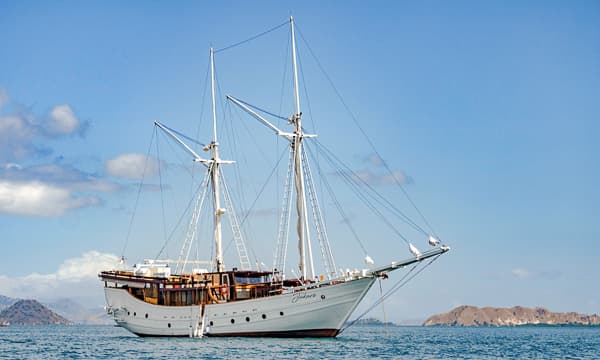
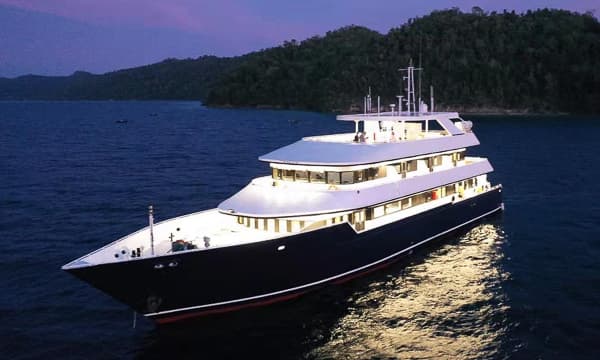
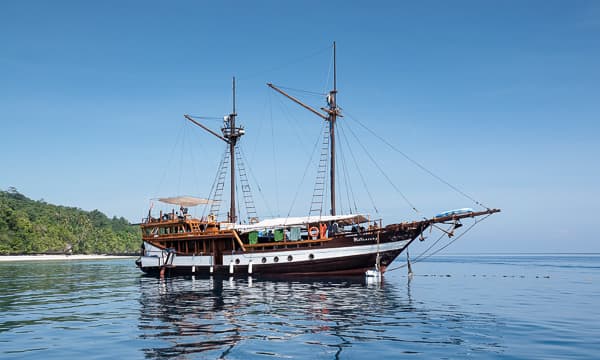
- Meet Komodo’s iconic manta rays at current-swept dive sites
- Trek in search of the world's largest lizard, the Komodo dragon
- Marvel at the macro critters of Padar
- Night dives included in the schedule
Day 1: Embarkation is between 12:30 and 13:00. When all guests are on board introductions, boat and safety briefings will be conducted, after which guests can set up their equipment or relax before dinner is served. If time allows, an afternoon check dive may be carried out but is not guaranteed.
Day 2: Breakfast followed by a check dive and up to 3 subsequent dives, as outlined below.
Days 3-9: Up to 4 dives a day. Following is a sample of dive sites we may visit during your time aboard Indo Master. The safety of our guests is paramount, and we always do our best to offer diving at alternative locations should we be unable to visit any of the sites listed below. Some locations may be excluded for any number of reasons, not least of which can be restrictions implemented at short notice by the National Park Authorities.
Gili Lawa Laut - Castle Rock:
Currents sweep by this offshore pinnacle in Gili Lawa Laut, where whitetip reef sharks and trevally can be seen corralling large numbers of neon fusiliers. Schools of surgeonfish swarm over the corals and large barrel sponges, while huge Napoleon wrasses may take an inquisitive look at the divers.
Crystal Rock:
In the bay next to Castle Rock, this site comprises 2 pinnacles, both offering superb shark action. Eagle rays are frequent visitors, and dolphins have been known to make an appearance. White-tip reef sharks are often found resting under table corals, and common octopuses put on superb displays, allowing the cautious diver to approach. Currents are to be expected.
Shotgun!
Typically a fast-paced drift dive, we spend time in the coral garden with soft corals and sponges before reaching a deep ravine in the reef where schools of snapper are often found moving in ever tighter formations. From there, descend into the fishbowl where manta rays like to hang out, then enjoy the ride as the “shotgun” currents push you over the reef and through the channel to the waiting dinghies.
Komodo Island:
Guests will have the opportunity to venture ashore on Komodo Island to take a guided walk with the rangers through “Komodo Dragon Territory.” Manta Alley Channels form in the rocky reef wall where we can watch graceful manta rays gliding in the current and being cleaned. They make it look so easy; however, strong currents can persist at this site. Surgeonfish, triggerfish and schools of jacks can all be seen here too. Certainly, the mantas steal the show when they are in town, with up to 30 being seen, although groups of 5 or 6 are more common. Inspirational Diving Experiences
Pink Beach:
A shallow, sheltered reef that is perfect for a night dive with superb macro sightings from flamboyant cuttlefish, hairy frogfish, octopus and bobtail squid to the barely there skeleton shrimp, Pegasus sea moths, crocodile fish and snake eels.
Current City - Takat Makassar/Manta Point:
The longest reef in Komodo National Park, Takat Makassar, is one of the best locations for Manta Ray encounters. Strong currents bring plankton-rich water to the area, which attracts large numbers of mantas who come to feed and visit the cleaning stations along the shallow, sandy-bottomed reef. Other marine life regularly seen here includes turtles, sharks, eagle rays, giant trevallies, giant sweetlips, unicorn fish, huge clams, and cuttlefish.
Tattawa Besar :
Boasting one of the healthiest, most stunning coral gardens in the Komodo archipelago, currents can sometimes be very strong, making for an exhilarating, relatively shallow drift dive. The colourful reef, covered in hard and soft corals, stretches hundreds of metres and attracts a multitude of large and small creatures, including reef sharks, turtles, Napoleon wrasse and large numbers of schooling fish.
Batu Bolong :
This little pinnacle to the east of Manta Point attracts an amazing amount of reef fish, but larger pelagic fish often stop by too. The corals are colourful and varied, with hard coral formations and plenty of soft corals. Expect to see batfish, trevallies, green turtles and sweetlips.
Rinca Island - Wainilu :
Considered one of the best 'muck diving' sites in the area, Wainilu is a sandy slope that plateaus at around 25 meters. First impressions may suggest that there is nothing to see, but for the eagle-eyed and patient, an abundance of macro delights are waiting to be discovered. Mantis shrimps, frogfish, seahorses, pipefish, blue-ring and mimic octopus, a wide variety of nudibranchs and sea slugs, dragonets and even the elusive mandarin fish are just some of the wondrous creatures that are regularly found here.
Day 10: For your last full day on board, we usually schedule 2 morning dives* before the boat cruises back to the harbour, where it will remain at anchor overnight.
Day 11: Disembarkation no later than 10:00
Sample itineraries are for guidance only. Actual itineraries may differ slightly due to factors such as weather, wildlife, logistics and local regulations.