
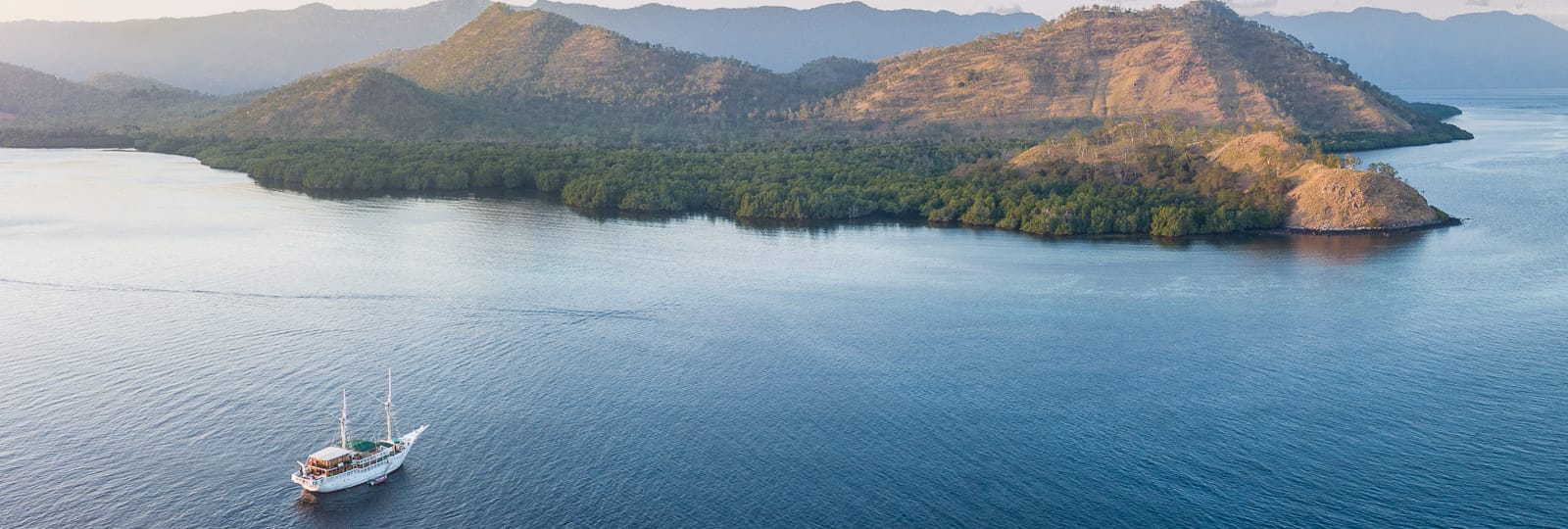
The Seven Seas Itinerary
Alor9 days / 8 nights
About The Seven Seas
- Luxurious relaxation spaces, great food and refreshing drinks
- Try something different between dives with Seven Seas’ onboard kayaks
- Dive some of Indonesia’s top destinations, including Raja Ampat, Komodo, and Banda Sea
The Seven Seas liveaboard offers luxury trips to discerning scuba divers, exploring some of Indonesia’s iconic dive destinations. Boasting traditional Indonesian charm beautifully blended with modern indoor and outdoor relaxation, Seven Seas offers all you’ll need between diving the likes of Raja Ampat, Komodo, Bali and more. With an experienced, attentive crew and five-star dive facilities to ensure your holiday is as smooth as it is incredible, the Seven Seas is a superb choice for the modern day diver.
Itinerary details
Length of trip 9 days / 8 nights
Number of dives Up to 28
Experience Open Water - Minimum 40 dives
Insurance Required
Highlights
- Chance of hammerheads, thresher sharks, and even mola mola in Alor
- Goa Wolang offering a refreshing and adventurous dive
- Explore home to one of the world’s largest concentrations of sea anemones
Day 1: Kalabahi Bay (Check Dive)
Flight to Alor from Kupang. Transfer to the Seven Seas, setting up gear. Meanwhile, we are steaming out, and afterwards we’ll do a general briefing, after some refreshments and lunch, and we’ll do our checkout dive.
Day 2: Ternate and North Alor Area
Volcanic Walls, Coral Gardens, and Underwater Architecture
Today we explore the spectacular reefs surrounding Ternate Island and nearby Ula, where dramatic volcanic topography, crystal-clear water, and thriving coral ecosystems combine to create some of the finest diving in the Pantar Strait.
From towering walls and natural swim-throughs to pristine coral gardens and white sand slopes, every dive reveals another side of this remarkable archipelago.
Babylon Wall: Our day begins at the legendary Babylon Wall, one of the signature dive sites of the Alor Archipelago.
This spectacular vertical wall begins among shallow coral gardens before descending into the deep blue. Covered in vibrant soft corals, giant sea fans, and colourful sponges, the reef supports large schools of fusiliers, anthias, and snappers, while giant trevallies, Napoleon wrasse, and occasional pelagic visitors patrol the open water. With visibility often exceeding 30 meters, Babylon offers one of the finest wide-angle dives in the region.
The Arch: Our second dive explores The Arch, one of Ternate’s most iconic underwater landmarks.
A magnificent natural volcanic archway has been carved into the reef, forming an impressive swim-through surrounded by healthy coral growth. The steep walls are decorated with large sea fans, whip corals, and colourful soft corals, providing shelter for countless reef fish and macro species.
Outside the arch, trevallies, reef sharks, and eagle rays frequently cruise through the blue, creating an unforgettable combination of dramatic scenery and abundant marine life.
Ula: Our final dive takes us to Ula, one of the Pantar Strait’s most beautiful sloping reefs.
The reef gently descends towards a pristine white sand beach, where colourful coral boulders are scattered across the seabed like an underwater garden. Magnificent hard corals, vibrant soft corals, and expansive coral gardens create one of the most spectacular reefscapes in the region.
The reef teems with schools of fusiliers, butterflyfish, angelfish, sweetlips, and parrotfish, while green turtles are frequent visitors, and larger predators occasionally appear in the blue. The contrast between brilliant coral colors, crystal-clear water, and white sand makes Ula a favourite among underwater photographers and one of the most visually stunning dives of the expedition.
Day 3: Komba Island. Where the Flores Sea Meets the Banda Sea
Rising dramatically from the open ocean, Pulau Komba is one of the most extraordinary and remote destinations of the expedition. Located off the northern coast of Lembata, the island is dominated by Mount Batutara, an active volcano that regularly releases smoke and ash, creating a spectacular backdrop during navigation, surface intervals, and dives.
Beneath the surface, Komba reveals an equally dramatic underwater world. Rocky volcanic slopes, black sand, colourful coral gardens, and steep reef walls combine to create a unique seascape shaped by centuries of volcanic activity. Healthy hard and soft corals, giant sponges, and lava-formed rock formations provide habitat for a rich diversity of marine life.
The surrounding waters are alive with schools of fusiliers, surgeonfish, snappers, and giant trevallies, while moray eels, leaf scorpionfish, and other cryptic reef species hide among the volcanic reef. Depending on the season and conditions, divers may also encounter dogtooth tuna, white-tip reef sharks, and other pelagic visitors cruising through the deep blue.
With its excellent visibility, pristine reefs, and the constant presence of one of Indonesia’s most active volcanoes, Pulau Komba offers a truly unforgettable diving experience where the raw forces of nature continue to shape both the landscape above and the vibrant marine ecosystem below.
Day 4: Lewaling Bay at North Kawula: Pristine Walls Beneath an Active Volcano
Nestled along the northern coast of Kawula Island, Lewaling Bay is one of the hidden gems of the Alor region, offering a spectacular combination of healthy sloping reefs, dramatic walls and crystal-clear visibility. Towering above the bay, the active Mount Lewotolok volcano provides a breathtaking backdrop, making this one of the most scenic diving locations of the expedition.
The reefs begin in shallow water before plunging into the deep, their walls adorned with colourful soft corals, giant sea fans, and vibrant sponges. Depending on the tides, gentle to moderate currents create beautiful drift dives along the reef face.
The bay supports an abundance of marine life. Schools of fusiliers, snappers, anthias, and triggerfish fill the water column, while green turtles, reef sharks, and leaf scorpionfish are frequent sightings among the corals.
One of the area’s highlights is Cardinals, a shallow dive site perfect for extended bottom times. Named after its extraordinary concentration of cardinalfish, the reef is home to several different species living side by side among coral heads, rocky outcrops, and sheltered crevices. The combination of vibrant reef life, exceptional visibility, and the dramatic volcanic landscape above the surface makes Lewaling Bay one of the most memorable diving destinations of the expedition.
Day 5: Ipet Island
The Ipet and Watu Peni coastal zone is located on the northeastern coast of Adonara Island, next to the deep channel that separates Adonara from Lembata. The coastline features steep slopes and rocky outcrops, with the seafloor dropping rapidly into deep water. The area is shaped by volcanic activity.
A pearl farm operates near Ipet. It produces Akoya or South Sea pearls using suspended lines and baskets in protected reef zones. The farm supports the local economy and helps limit boat traffic and fishing activity in the surrounding area. The strait is part of a migration route for blue whales, which pass through the area seasonally—mainly between September and December and March to May—as they move between feeding and breeding areas in the Banda and Savu Seas. Dolphins are also sometimes seen.
The Ipet area on the northeastern coast of Adonara has steep underwater terrain, including drop-offs, vertical walls, and a coral ridge called Ipet Ridge. The reef is in good condition with hard and soft corals, sea fans, and sponges. Common marine life includes white-tip and blacktip reef sharks, fusiliers, trevallies, and turtles. Ipet Drop Off is a deep wall dive with current, while Ipet Ridge offers a gentler slope with good opportunities for spotting small marine species.
Watu Peni, located close to shore, is primarily dived at night. It features a sloping reef with coral bommies and sandy areas. The site is known for calm conditions and high macro biodiversity. Typical night-time sightings include decorator crabs, bobtail squid, cuttlefish, octopus, sleeping parrotfish, moray eels, frogfish, and bluespotted stingrays. Bioluminescent plankton may also appear. The site is more protected than Ipet and suitable for less experienced divers.
After a full day of diving, we’ll have some snacks and drinks at the beach and also have the chance to see flying foxes emerge from the coastal forest near Ipet. As the sun begins to set, these large fruit bats take flight, moving silently overhead as they head out across the strait to forage for the night. It’s a peaceful and memorable way to end the day by the sea.
Day 6: Tanjung Gedong and Serbete, crossing to Adonara.
Tanjung Gedong, located on the northeastern coast of Flores Island near Maumere, offers a diverse underwater landscape with a gentle reef slope that leads into sandy bottoms dotted with large coral bommies. Deeper areas are covered in soft corals and wide table corals, creating a vibrant reef environment. Marine life includes stingrays and ghost pipefish in the sand, while the reef wall is home to lionfish, moray eels, and angelfish. The shallower reef top features healthy staghorn coral formations. With generally mild currents and good conditions for both macro and wide-angle photography, Tanjung Gedong provides a rich and varied dive experience.
Pulau Serbete Ridge, just off the northeastern coastline of Flores near Maumere, offers a dynamic dive along a wide, elongated reef structure that supports abundant coral growth and marine life. The ridge is made up of gradual slopes and drop-offs, covered in vibrant hard and soft corals, along with barrel sponges. Divers frequently spot schools of fusiliers, butterflyfish, angelfish, and larger animals like blacktip and whitetip reef sharks, as well as turtles that often cruise along the reef.
We’ll head south between Flores and Adonara, passing through a narrow strait that is used by blue whales during their migration at this time of year. This stretch of water offers a good chance to spot them from the boat as we make our way through.
To end the day, we’ll do a night dive at Anatuka, a beach entry site known for excellent macro life. After sunset, the shallow sandy bottom comes alive with nocturnal activity. Divers can expect to find frogfish, octopus, squat lobsters, and a variety of crustaceans moving across the reef and sand. It’s a productive site for critter hunting and macro photography.
Day 7: Pulau Rusa. Untouched reefs and rare encounters
Today we explore the remote waters surrounding Pulau Rusa, where pristine reefs and nutrient-rich currents allow us to witness incredible healthy reefs. From exhilarating reef dives alive with pelagic action to beautiful, healthy reefs.
Day 7: Pulau Rusa. Untouched reefs and rare encounters
Today we explore the remote waters surrounding Pulau Rusa, where pristine reefs and nutrient-rich currents allow us to witness incredible healthy reefs. From exhilarating reef dives alive with pelagic action to beautiful, healthy reefs.
Watu Balu: Just off the southwest coast of Pulau Rusa, Watu Balu is surrounded by some of Indonesia’s healthiest and least disturbed coral reefs. Exposed to the open Indian Ocean, nutrient-rich currents support an exceptional abundance of marine life.
The reef is covered with vibrant hard corals, enormous table corals, and colourful sponge formations, attracting yellow snappers, fusiliers, surgeonfish, rainbow runners, and red snappers. Beneath the coral ledges, bamboo sharks are frequently encountered, while lucky divers may even spot the elusive wobbegong shark.
During the cooler months, there is also the exciting possibility of encountering Mola Mola (ocean sunfish).
A spectacular sponge-covered wall gradually transitions into coral terraces, creating an unforgettable dive for both wide-angle photographers and marine life enthusiasts.
Rainbow Ridge: Our second dive explores Rainbow Ridge, an underwater ridge extending into deeper waters southeast of Pulau Rusa.
Influenced by nutrient-rich oceanic currents, the ridge attracts large schools of fusiliers, surgeonfish, and reef fish, while Napoleon wrasse and occasional pelagic visitors patrol the deeper sections.
Beautiful patches of hard and soft corals cover the ridge, providing habitat for colourful reef fish, invertebrates, and countless macro subjects, making every dive a rewarding combination of reef scenery and fish life.
Day 8: Alor Area
Today we head to the northern reaches of the Pantar Strait, where powerful currents, dramatic underwater topography, and nutrient-rich waters combine to create some of Alor’s most exhilarating diving. From deep walls and exhilarating drift dives to thriving coral reefs teeming with life, this is a day dedicated to big fish encounters, spectacular scenery, and some of the archipelago’s most iconic dive sites.
Munaseli, situated near North Pantar Island, is widely regarded as one of Alor’s standout dive locations, offering a challenging deep-water experience shaped by moderate to strong currents. Its steep drop-offs and constant flow of nutrient-rich water from the depths draw in an impressive concentration of pelagic life and large schools of fish. Divers often encounter hammerheads, silvertip, grey reef, and blacktip sharks, along with eagle rays, mobula rays, great barracudas, and powerful dogtooth tuna, creating a thrilling, high-energy dive environment.
Bama Wall: Known for its towering wall that descends beyond 40 meters, revealing a striking underwater landscape and exceptional clarity. The site is alive with color and movement, with currents that can shift from gentle drifts to fast-moving flows. Typical sightings include Napoleon wrasse, bumphead parrotfish, sea snakes, bluefin trevallies, and dense formations of schooling fish, making Bama a spectacular and diverse underwater setting. Our next is one of the Pantar Strait’s finest drift dives, where nutrient-rich currents sustain an extraordinary abundance of marine life.
Located on the northwestern corner of Pura Island, this beautiful sloping reef is covered with healthy hard corals, colourful soft corals, giant barrel sponges, and sea squirts, creating one of Alor’s most vibrant reef systems. Schools of fusiliers, surgeonfish, batfish and midnight snappers fill the water column, while Napoleon wrasse, bumphead parrotfish, giant trevallies, reef sharks, and eagle rays are frequent visitors to the deeper reef. Hidden among the corals, photographers may also discover coral crouchers, yellow-spotted scorpionfish, nudibranchs, and other cryptic reef species.
With its exceptional coral cover, exhilarating drift, and abundant marine life, The Boardroom is a perfect showcase of everything that makes the Pantar Strait one of Indonesia’s premier diving destinations.
Day 9: Checkout
Sample itineraries are for guidance only. Actual itineraries may differ slightly due to factors such as weather, wildlife, logistics, and local regulations.
Sample itineraries are for guidance only. Actual itineraries may differ slightly due to factors such as weather, wildlife, logistics, and local regulations.
Transfer details
Departure
12:00pm
Kalabahi
Alor Island Airport: ARD
Return
12:00pm
Kalabahi
Alor Island Airport: ARD
Current availability and prices: https://www.zubludiving.com/itineraries/the-seven-seas/itn-2609140805051-alor