
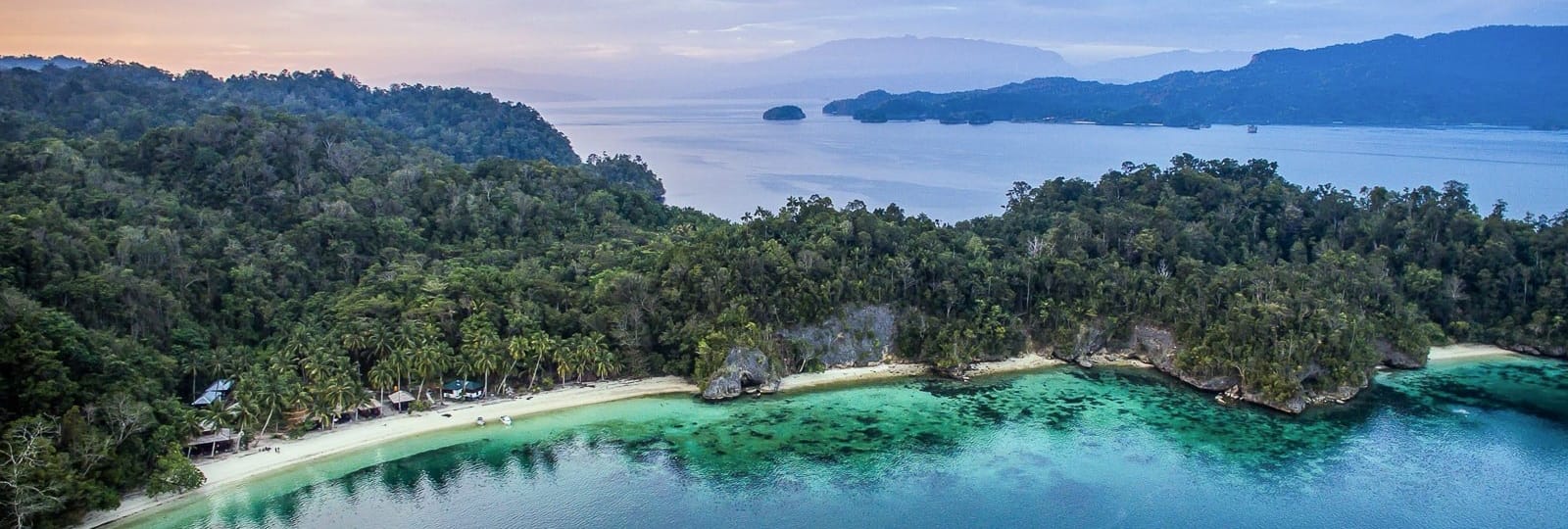
Mari Itinerary
Triton Bay, Misool and Raja Ampat13 days / 12 nights
About Mari
- Spacious vessel accommodating non-divers and families
- Flexible cabin configurations with doubles, twins and bunks
- Up to four dives a day in Indonesia’s top destinations
- Enjoy al fresco dining set to panoramic views of the scenery
Crafted by master boat-builders from Sulawesi, Mari liveaboard offers safe, comfortable, and exciting dive safari voyages throughout the Indonesian Archipelago – including remote regions like Raja Ampat, Cenderawasih Bay, Banda Sea and Triton Bay. With low guest numbers, modest yet contemporary communal areas, and a range of itineraries and destinations, Mari’s remarkable liveaboard adventures represent incredible value for money.
Itinerary details
Length of trip 13 days / 12 nights
Number of dives 34
Experience Open Water - Minimum 30 dives
Insurance Required
Highlights
- A unique one-way itinerary that offers the magic of Raja Ampat combined with the marine protected area of Triton Bay
- Swim with the whale sharks of Triton Bay
- Discover the dramatic underwater landscapes and stunning reefs of Misool
- Encounter both reef and oceanic manta rays at renowned Raja Ampat dive sites
- Dive in unspoiled hard and soft coral gardens
- Explore the swim-throughs and caves of Goa Farondi
- See the ancient rock paintings of Timolol
- A night dive is included in the schedule
Day 1:
Guests are welcomed aboard KLM Mari at Kaimana Harbour following a short transfer from Utarom Airport or their hotel. After a full safety briefing and cabin orientation, Mari sets course south into the Kaimana Marine Protected Area. A relaxed check dive allows guests to fine-tune equipment and buoyancy before the expedition begins in earnest.
Mari departs overnight toward Namatota Island.
Day 2:
Namatota Island sits at the northwestern entrance to Triton Bay, approximately 16 nautical miles from Kaimana. The bagans—traditional fishing platforms where fishermen lower large nets at night to catch baitfish—attract some of the most remarkable wildlife encounters in West Papua.
Day 2:
Namatota Island sits at the northwestern entrance to Triton Bay, approximately 16 nautical miles from Kaimana. The bagans—traditional fishing platforms where fishermen lower large nets at night to catch baitfish—attract some of the most remarkable wildlife encounters in West Papua.
Working closely with the local fishermen, we search for the resident whale sharks that gather beneath these platforms at first light. Encounters alternate between snorkeling and diving depending on positioning and depth. A defining highlight of the expedition.
Dive sites:
Namatote Wall—Located off the southern tip of Namatota Island, this wall dive rewards patient divers with an overwhelming density of macro life. Nudibranchs, gobies, shrimp, and cryptic reef creatures inhabit every surface, making it one of the finest critter dives in the region despite—or because of—the shifting currents that limit visibility.
Open Sky—A natural vertical "skylight" in the limestone drops into a pocket cave carpeted with glassfish, often patrolled by scorpionfish weaving through the silver shimmer. Soft corals glow around the opening while schools of batfish cruise the blue water beyond. On the sandy patches between the boulders, leopard sharks are occasionally found resting in perfect stillness.
The limestone cliffs of Namatota are adorned with ancient red ochre rock paintings—handprints, fish, turtles, and human figures first recorded by Dutch merchant Johannes Keyts in 1678 and dated to approximately 12,000–5,000 BC. Viewed from the tender along the cliff face, they offer a remarkable glimpse into the human history of this remote coast.
Day 3:
Saruenus Island lies in the northern reach of the Iris Strait—the passage between Triton Bay and Aiduma Island—where nutrient-rich currents create some of the most vibrant coral ecosystems in West Papua. The endemic Triton Bay Walking Shark (Hemiscyllium henryi), described scientifically in 2008 and found nowhere else on Earth, is one of the signature species of these reefs.
Saruenus Island lies in the northern reach of the Iris Strait—the passage between Triton Bay and Aiduma Island—where nutrient-rich currents create some of the most vibrant coral ecosystems in West Papua. The endemic Triton Bay Walking Shark (Hemiscyllium henryi), described scientifically in 2008 and found nowhere else on Earth, is one of the signature species of these reefs.
Dive sites:
Little Komodo—A soft-coral-smothered site on the southern tip of Saruenus Island where boulders breach the surface and are blanketed in colorful soft corals, anthias, fusiliers, and damselfish. Deeper down, schools of sweetlips and snapper hang out in black coral bushes alongside wobbegong and giant grouper. When the current runs, a gentle drift leads into the aquarium.
The Aquarium—On the east side of Saruenus, sheltered from the main current, this site lives up to its name. Shallow boulders are smothered in soft corals with prolific schooling fish above. The sweet spot at the southern end is best dived in the morning when sunrays penetrate the water and illuminate the reef in extraordinary light. An ideal site for reflection shots and wide-angle photography.
Saruenus—Night dive. The sandy areas and coral rubble of the Saruenus reef come alive after dark. The Triton Bay walking shark emerges to hunt across the seabed, alongside crustaceans, cephalopods, and nocturnal reef fish among the coral bommies.
Day 4:
A final morning exploring the northern Iris Strait reefs before Mari departs northwest toward the Momon Headland. Dive sites: Boo's Rainbow, Pintu Arus, and additional Saruenus sub-sites.
A final morning exploring the northern Iris Strait reefs before Mari departs northwest toward the Momon Headland. Dive sites: Boo's Rainbow, Pintu Arus, and additional Saruenus sub-sites.
Mari departs in the afternoon on her overnight crossing toward Momon.
Day 5:
The Momon Headland features dramatic underwater topography with steep walls dropping into deep channels and vibrant soft coral gardens. The headland's exposed position attracts pelagic species, including manta rays, eagle rays, and schooling fish aggregations, alongside healthy hard coral formations.
The Momon Headland features dramatic underwater topography with steep walls dropping into deep channels and vibrant soft coral gardens. The headland's exposed position attracts pelagic species, including manta rays, eagle rays, and schooling fish aggregations, alongside healthy hard coral formations.
Dive sites:
Momon Reef—A hard coral seamount hosting large schools of Big Eye Trevally, batfish, Napoleon wrasse, barracuda, and Giant Trevally.
Momon Wall — Steep walls and soft coral gardens with pelagic action and manta ray sightings.
Momon Pinnacle —
The Kiti Kiti waterfall, which plunges from the rainforest directly into the sea at the base of the Kumawa Mountains, is visited by tender between dives. Guests swim or snorkel where the freshwater meets the ocean—a rare natural phenomenon accessible only by boat and one of the most memorable surface intervals on any Indonesian liveaboard crossing.
Day 6:
The Pisang Archipelago lies off the coast of Fak Fak, a remote cluster of islands largely unknown to mainstream dive tourism. Pristine coral reefs, seamount discoveries, manta fly-pasts, macro life, and excellent coral formations define the area.
The Pisang Archipelago lies off the coast of Fak Fak, a remote cluster of islands largely unknown to mainstream dive tourism. Pristine coral reefs, seamount discoveries, manta fly-pasts, macro life, and excellent coral formations define the area.
Dive sites:
T-Bone Reef—A ridge-and-pinnacle system with rich coral growth and schooling fish. Manta rays are occasional visitors to the exposed reef sections.
The Dome—A distinctive reef structure with overhangs, swim-throughs, and coral formations that change character with each dive.
Black Cave—A cavern and swim-through dive offering dramatic light effects and shelter for resting sharks and reef fish.
Mari departs overnight toward southern Misool.
Day 7:
Day 7:
By morning, the dramatic limestone islands of southern Misool emerge on the horizon. Entering Misool from the south, the Daram reefs mark the first taste of what is widely considered among Indonesia's most pristine marine environments, protected through local conservation initiatives for over two decades.
Dive sites:
Andiamo—a series of coral-covered ridges draped in soft corals and sea fans. Currents attract large schools of fusiliers and snappers, with reef sharks regularly patrolling the deeper water beyond the reef edge.
Candy Store—Strong currents deliver nutrient-rich water supporting dense schools of barracuda, giant trevallies, and tuna above a reef blanketed in vibrant soft corals.
Yillet Kecil—A well-balanced reef system of coral bommies and hard coral gardens with sheltered sections ideal for photography. Macro subjects, including pygmy seahorses, nudibranchs, and cryptic reef creatures, are well represented.
Yillet Jetty — Night dive. Walking sharks hunt across the seabed as octopuses, cuttlefish, decorator crabs, and nocturnal reef creatures become active beneath the lights.
Day 8:
The reefs that have made Misool famous worldwide. Nutrient-rich waters attract everything from sought-after macro subjects to manta rays and large pelagic fish.
Dive sites:
Magic Mountain—Misool's most iconic dive site. A submerged seamount that functions as a cleaning station for both reef and oceanic manta rays, with multiple individuals frequently encountered circling above the reef. Barracuda, giant trevallies, and tuna cruise the surrounding blue water.
Four Kings—A collection of submerged pinnacles covered in soft corals and sea fans. Converging currents create ideal conditions for large schools of fusiliers, snappers, and surgeonfish, with reef sharks as regular visitors.
Warna Berwarna—Meaning "many colors," this site offers one of Misool's most concentrated displays of coral diversity. Brilliant soft corals in pink, orange, and purple blanket the reef above a dense community of reef fish.
Harapan Jetty — Night dive. A macro-rich jetty dive where patient observers may discover bobtail squid, pipefish, juvenile reef fish, and crustaceans.
Day 9:
The dramatic limestone landscapes of Farondi reveal another side of Misool. Above the surface, towering karst cliffs conceal hidden lagoons and narrow waterways. Below, ancient geological formations create some of Raja Ampat's most singular dive sites.
Dive sites:
Goa Farondi—A dive through caverns, tunnels, and natural swim-throughs carved into limestone. Sunlight filtering through rock openings creates an extraordinary atmosphere for photography.
Farondi Wall—A vertical reef wall covered in sea fans, black corals, and soft corals, with excellent opportunities for pygmy seahorses, leaf scorpionfish, and other cryptic species.
Nudi Rock—One of Misool's premier macro sites, supporting a remarkable diversity of nudibranchs and small marine creatures alongside healthy coral growth and schooling reef fish.
Afternoon excursion through Farondi's hidden lagoons and limestone caves by tender.
Day 10:
Dive sites:
Fiabacet—Multiple coral-covered pinnacles rising from deep water and attracting immense schools of fusiliers, jacks, and snappers. Reef sharks are frequently encountered hunting in the currents. Often considered among the finest dive sites in Raja Ampat.
Tank Rock—A dramatic reef structure known for both fish action and exceptional coral growth. Barracuda, trevallies, and surgeonfish gather around the site's exposed sections.
Whale Rock—steep walls, overhangs, and flourishing coral gardens. Napoleon wrasse, turtles, and reef sharks are common visitors.
Nudi Rock—Night Dive. Octopuses, crustaceans, flatworms, and walking sharks become active across the reef after dark.
Guests visit the ancient rock paintings of Tomolol in the afternoon—cultural markings believed to have been created centuries ago by the region's earliest inhabitants, set among towering limestone cliffs and narrow waterways.
Day 11:
A full day on the iconic northern Misool reefs, with four dives to make the most of the extraordinary diversity on offer before Mari sets course for Sorong.
Dive sites:
Boo Windows—One of Raja Ampat's most photographed dive sites. Natural limestone "windows" carved through the island frame a reef of swim-throughs, overhangs and coral-covered ridges blanketed in soft corals and sea fans, with clouds of anthias throughout.
Boo West — A continuation of the Boo reef system with vibrant hard and soft corals, turtles, schooling fish and regular reef shark sightings.
Romeo — A colorful ridge of sea fans and soft corals with anthias swarming above the reef and schools of fusiliers streaming through the current.
Dunia Kecil — A compact rock on the western side of the Wayil Channel, small enough to circumnavigate in a single dive. The top section is filled with wonderful soft corals while the walls are covered in large sea fans, home to several species of pygmy seahorse.
Day 12:
A final two morning dives among the northern Misool reefs before Mari makes her passage north.
Equipment is rinsed and stowed after the second dive, respecting recommended no-fly intervals before departure. Mari departs on her overnight crossing to Sorong.
Dive sites: Two sites in the Wayil / northern Misool area depending on overnight position.
Day 13:
Following breakfast, guests disembark in Sorong at the conclusion of one of Indonesia's great marine crossings — from the endemic species and whale sharks of Triton Bay and the untouched seamounts of Momon, through the remote Pisang Archipelago and into the legendary reefs of Misool.
Day 13:
Following breakfast, guests disembark in Sorong at the conclusion of one of Indonesia's great marine crossings — from the endemic species and whale sharks of Triton Bay and the untouched seamounts of Momon, through the remote Pisang Archipelago and into the legendary reefs of Misool.
Please prepare to leave the boat between approximately 08:00 and 12:00, depending on your onward travel schedule.
Complimentary transfers are provided to Sorong Airport or your hotel.
Sample itineraries are for guidance only. Actual itineraries may differ slightly due to factors such as weather, wildlife, logistics, and local regulations.
Transfer details
Departure
12:00pm
Kaimana
Kaimana Airport: KNG
Return
12:00pm
Sorong
Sorong Airport: SOQ


Choose your trip
13 days / 12 nights
•
34 dives
18
Nov
2026
Triton Bay, Misool and Raja Ampat
from $4,594 /guest
Sold out
18Nov 26
Triton Bay, Misool and Raja Ampat
from $4,594 /guest
Sold out
13
Nov
2027
Triton Bay, Misool and Raja Ampat
from $4,594 /guest
13Nov 27
Triton Bay, Misool and Raja Ampat
from $4,594 /guest
28
Nov
2027
Triton Bay, Misool and Raja Ampat
from $4,594 /guest
28Nov 27
Triton Bay, Misool and Raja Ampat
from $4,594 /guest
Current availability and prices: https://www.zubludiving.com/itineraries/mari/itn-2406210641581-triton-bay-misool-and-raja-ampat